Mass 19. Seafarers Sunday

Sunday 13 July 2025

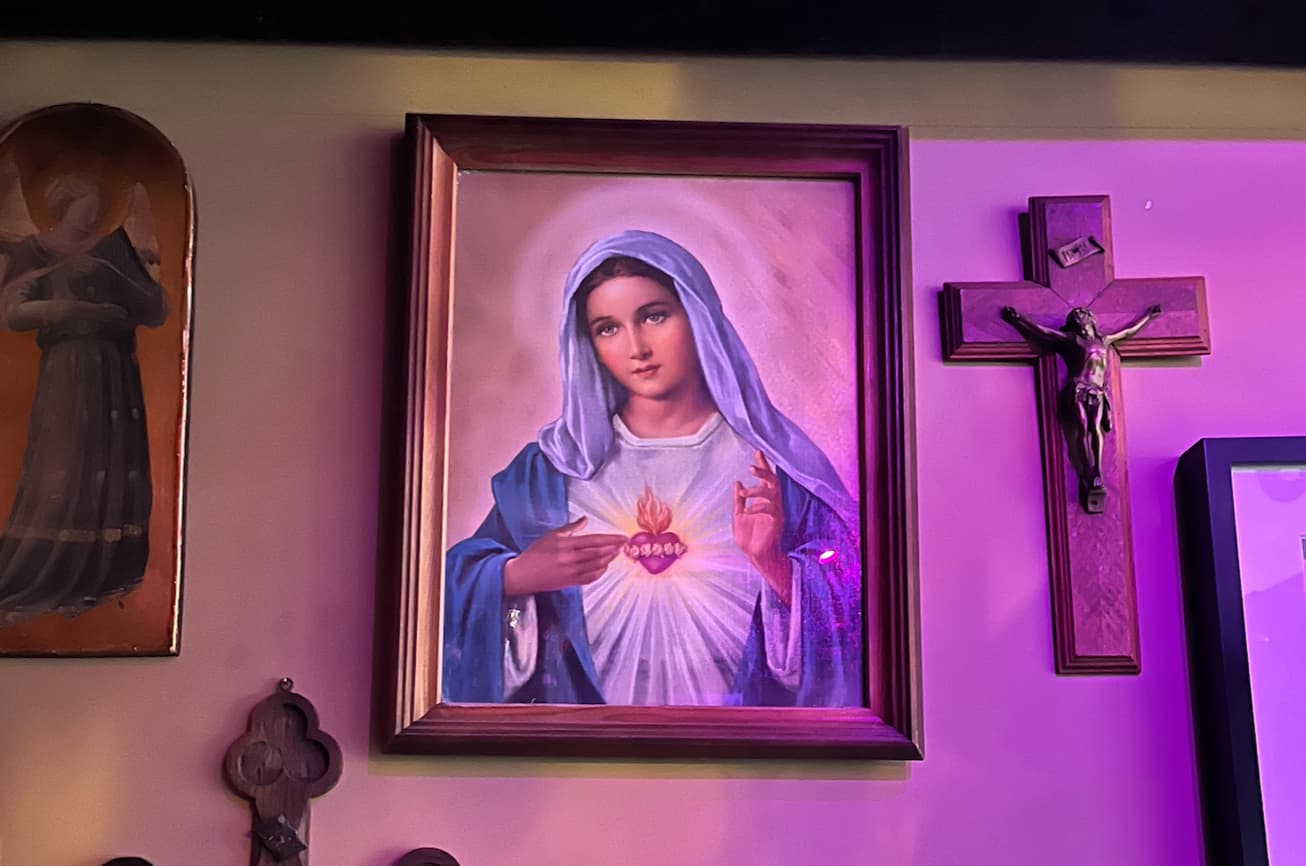
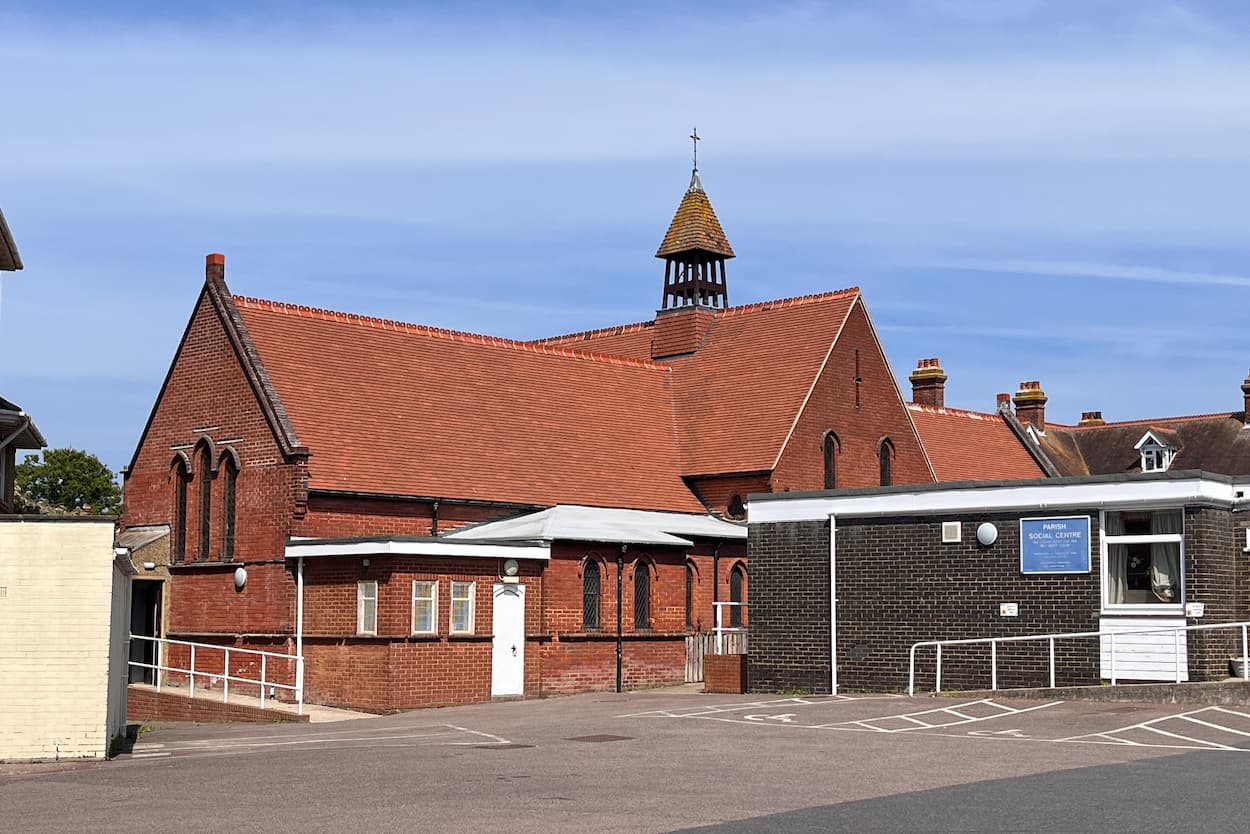
Our Lady Immaculate

It was Sea Sunday today. There will be the Blessing of the Waters on Thursday, a town tradition dating back over one hundred years. It’s partly timed to coincide with the Feast of Saint James, and partly to suit a convenient tide.

If you were to nail down what makes a tradition, it might be that which has meaning, and is worth passing down generations. I’m not sure it would be whatever suits the people of the day.

The article on the front cover of the local magazine showed a picture of people on the beach wearing papermache zebra heads. They were attending the Blessing of the Beasts.

Most people in town have heard of the Blessing of the Water; a service to give thanks to the sea for the livelihood it has gifted the town over centuries. The fishing fleet is smaller than it once was. But it still hauls in shellfish, packed off to France and Spain.

The Blessing of the Beasts was less familiar. Organisers described it as a secular alternative. No faith or religion necessary. There would be artists, costumes, and spectators.

The article explained that this event was uncertain to return. Artists, responsible for the costumes, would need payment.

Which raises the question: what makes a tradition worth keeping?

It’s not that traditions outrank each other. All put down their roots somewhere, and that doesn’t exclude the Blessing of the Beasts. Artistic expression speaks to people and has power to form connections.

But we lose something of value when we dismiss tradition for its religious context. And when we expect performance and personal expression to take its place.

Communities need commitment not consensus. They’re built by the people we agree with, and those we don’t. The result should be a collective identity transcending religious or voting preferences.

It might have been an event to draw a crowd and create an enjoyable spectacle. Artists bring great value to communities. They broaden our perspective.

But a crowd is not the same as a community. Shallow self-expression doesn’t replace shared gratitude. It’s an imitation of meaning and an inversion of community. It cannot give thanks, it cannot give anything. It can only take. Any blessing is financial, and gifted to performers dressed as sea creatures and those zebras.

To paraphrase something Wendell Berry once wrote: we build community with the things we don’t get paid to do. Things like hospitality, kindness, bearing burdens, and remembering.

All things which spring from the heart not the pocket, and feel needed now more than ever.

Rising house prices force young people from the streets on which they were raised. Their replacements install their wishes on those who remain. The idea of community is diminished when the individual is elevated above the group. Priority belongs to what is now, not what was. And all at the expense of that which brought people here in the first place.

Some may think this is a good thing. Others that it is inevitable. The sea supports fewer local fishermen these days. The church supports fewer Christians. Even the fish market is gone.

But if we replace tradition with individual preference, we’ll risk losing much more. We’ll have nothing to show for it. Just soggy papermache drifting away with the tide.

Leave a Comment